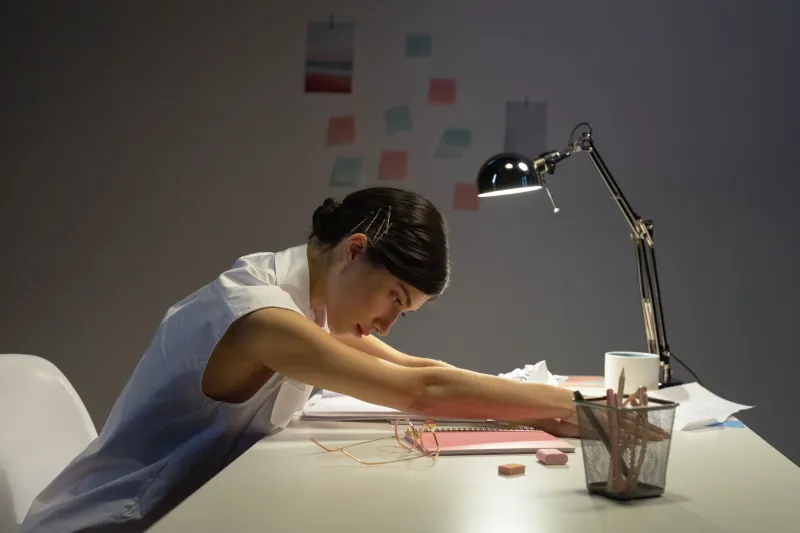
Show the Mess: Why Letting People See Your Creative Chaos Actually Builds Real Loyalty
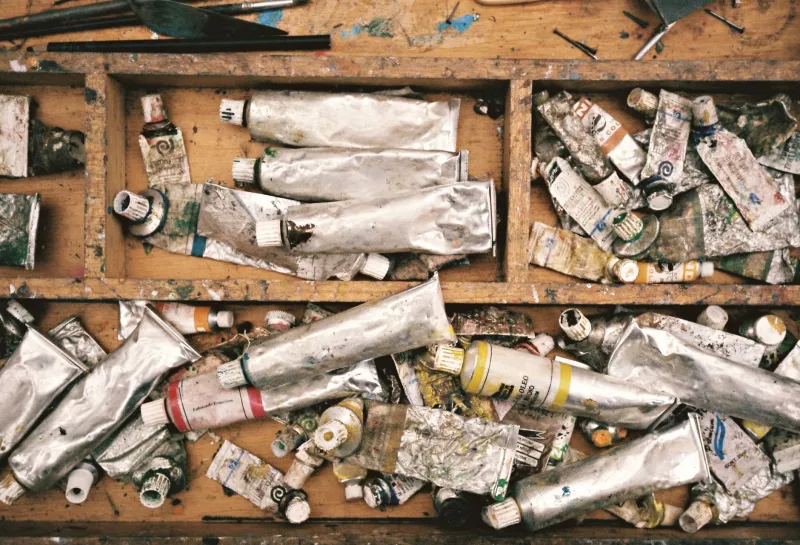
There's this unspoken rule that used to govern creative work online: only show the good stuff. Post the finished painting, not the fifteen versions you hated. Share the polished essay, not the outline that fell apart three times. Put your best self forward, always.
That rule is crumbling — and honestly, good riddance.
Something genuinely interesting has been happening across creative communities over the past few years. The artists, writers, photographers, and makers who are building the most devoted followings aren't necessarily the most technically gifted. They're the ones willing to show you what it actually looks like before the magic happens.
The Problem With Perfect
Here's the thing about a flawless final product: it creates distance. When you scroll past someone's perfectly lit studio, their immaculate workspace, their seemingly effortless output — you admire it, sure. But admiration isn't the same as connection. Admiration keeps people at arm's length.
Vulnerability, on the other hand, pulls people in.
When a ceramicist posts a video of a bowl collapsing on the wheel and laughs about it, when a musician shares a voice memo of a melody that didn't go anywhere, when a writer tweets about deleting 3,000 words because they just weren't working — that's when audiences lean forward. That's when the comments shift from "beautiful work" to "oh my god, same."
That shift matters more than most creators realize.
Transparency as a Creative Currency
We're living in a moment where audiences are increasingly skeptical of curation. People have been marketed to so aggressively, for so long, that they've developed a kind of sixth sense for when something feels performed versus when it feels real. The polished aesthetic that once signaled professionalism now sometimes reads as inaccessible — or worse, inauthentic.
Process content flips that script. Sharing the messy middle of your creative work signals something that no amount of high-production-value content can fake: you actually do this. You struggle with it. You care enough to keep going even when it's hard.
That's credibility in a form that no highlight reel can manufacture.
Take the way artists on platforms like TikTok and YouTube have built massive communities not by showcasing finished pieces, but by inviting people into the studio in real time. The "watch me make this" format has exploded precisely because it transforms passive viewers into invested witnesses. They're not just seeing what you made — they're rooting for you to pull it off.
The Counterintuitive Math of Oversharing
There's a fear that showing your failures and false starts will undermine your authority. That if people see you struggle, they'll trust your expertise less.
The opposite tends to be true.
When you share your process honestly — including the parts where you have no idea what you're doing — you're not diminishing your credibility. You're humanizing it. You're saying: this is hard work, and I do it anyway. That's not weakness. That's the actual definition of craft.
Artists who've leaned into this approach often describe a qualitative shift in how their audience relates to them. Comments become more personal. DMs get deeper. People don't just follow the work — they follow the journey. And followers who are invested in your journey are far less likely to disappear when the algorithm shifts or a trend moves on.
What "Behind the Scenes" Actually Means
It's worth drawing a line here, because not all process content is created equal. There's a version of "behind the scenes" that's just as curated as everything else — the artfully messy desk, the strategically placed paint-stained hands, the struggle that's been edited down to a charming two-minute montage.
Audiences can tell the difference.
Real process transparency is less polished and more specific. It's the voice memo where you talk yourself through why something isn't working. It's the photo dump that includes the three failed attempts before the one that landed. It's the caption that says "I almost didn't post this because I'm not sure it's good enough" — and means it.
The specificity is what makes it land. Vague vulnerability is still a performance. Specific vulnerability is a conversation.
Building Something That Lasts
Here's the bigger picture: the creators who are playing a long game understand that audiences built on admiration are fragile. They stay as long as the work stays impressive. But audiences built on genuine connection — on feeling like they actually know you, like they've watched you figure things out in real time — those stick around.
Showing your mess isn't about lowering the bar for your work. It's about raising the bar for your relationship with the people who care about it.
The final product still matters. The craft still matters. But the story of how you got there? That might matter even more.
So go ahead. Show the chaos. Let people see the version before the version. You might be surprised how many of them were waiting for exactly that.